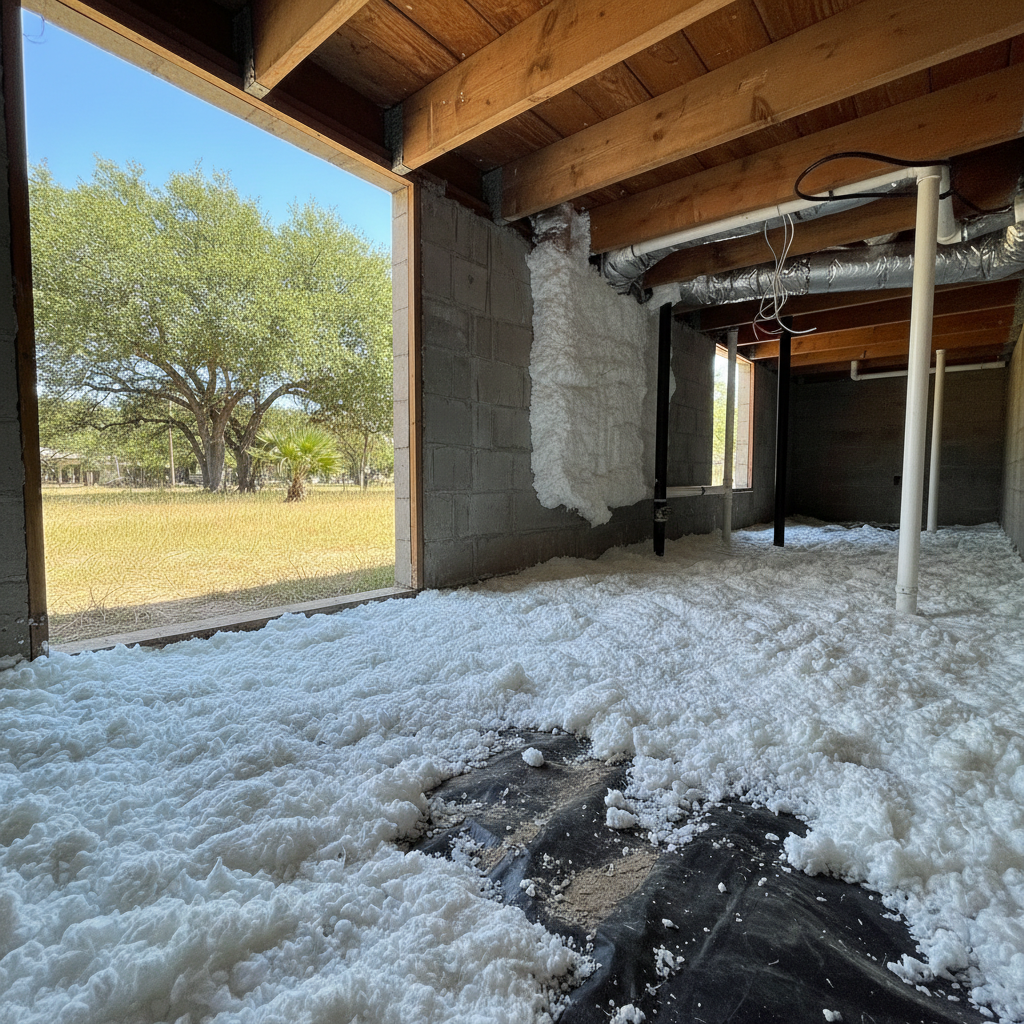
Is your crawl space actually making your home less comfortable and costing you money? Here in Seguin, we really know what extreme weather feels like. Those scorching summers and surprisingly cold winters can seriously mess with your home's energy efficiency, and often, it all starts right beneath your feet.
I've seen so many houses, especially the older ones in spots like the historic district downtown, where the crawl spaces are basically just open invitations for humidity, pests, and crazy high utility bills. Getting your crawl space insulation done right isn't just about saving a few bucks, you know? It's about making your whole house feel better, top to bottom.
When's the Best Time to Insulate Your Crawl Space?
Timing matters quite a bit when we're talking about insulation, especially for crawl spaces. You might think any time works, but that's not always true. Here’s what I usually recommend:
Spring (March - May): This is probably the sweet spot. The ground hasn't really heated up yet, and we're usually past the worst of winter's dampness. It's not too hot for the crew working down there, and you're getting ahead of that brutal summer heat before it even hits.
Fall (September - November): Another really good window. The summer humidity starts to back off, and temperatures become much more pleasant. You'll be all set for those cooler winter nights without your floors feeling like ice cubes.
Summer (June - August): We can definitely do it then, but it's tougher. The heat and humidity are at their peak, which can make working in a tight space like a crawl space pretty miserable. It also means we're fighting against moisture, which isn't great for installation. If you absolutely need it done during these months, we'll make it happen, but it might take a bit longer and require extra careful moisture management.
Winter (December - February): Not bad, especially if it's a drier winter. Cold usually isn't the biggest problem for installation. But if we get a lot of rain, it can make the crawl space damp and muddy, which slows things down and isn't good for the materials or the crew.
Weather Conditions That Affect the Work
You might not give much thought to the weather when it comes to what's going on under your house, but it makes a huge difference for us. Here’s what we always keep an eye on:
Rain and Ground Moisture: This is a big one. If your crawl space is flooded or really damp from recent heavy rains — and we certainly get some real gully washers here in Seguin — we might need to reschedule. Installing insulation into a wet environment just isn't smart. It can trap moisture, lead to mold, and mess up the insulation's effectiveness. We need it as dry as possible, no exceptions.
Extreme Heat: Like I mentioned, summer heat makes the job harder. It's not just about my guys' comfort, though that's important; certain types of insulation can be more challenging to work with in very high temperatures, and it increases the risk of heat exhaustion.
Wind: For some insulation types, especially loose-fill, high winds can be a real nuisance. It makes it harder to control the material and can blow it around before it's properly settled. Luckily, crawl spaces are usually pretty sheltered.
Humidity: This is a constant battle in Central Texas, isn't it? High humidity can make the air feel heavy and sticky, and it can also affect how materials like spray foam cure. We always monitor humidity levels to ensure a proper installation.
Ultimately, a good contractor like Champion Insulation Company will always put a quality installation first, ahead of rushing the job. If the conditions aren't right, we'll be straight with you about it.
Protecting Your Investment Year-Round
Once you've got that new insulation in, you want it to last, right? Here’s how you can help protect it:
Manage Moisture: This is probably the most critical thing you can do. Make sure your gutters are clean and directing water away from your foundation. Check for any plumbing leaks under the house regularly. Consider a vapor barrier if you don't have one, especially with our clay soils that hold moisture. A dehumidifier in the crawl space can really make a difference for many Seguin homes.
Pest Control: Rodents and insects just love insulation. They'll nest in it, chew it up, and generally make a mess. Keep up with regular pest control around your home's perimeter to deter them from getting into your crawl space in the first place.
Regular Inspections: I recommend peeking into your crawl space once a year, or having a professional do it. Look for any signs of damage to the insulation, water intrusion, or pest activity. Catching problems early saves you a lot of headache and money down the road.
Proper Ventilation: Some crawl spaces benefit from good ventilation, while others are better off encapsulated. It really depends on your specific home and what kind of insulation you have. If you're unsure, it's worth getting an expert opinion.
Taking care of your crawl space insulation isn't a one-and-done deal. It's an ongoing part of maintaining a comfortable, energy-efficient home in our unique Seguin climate. If you've got questions or think your crawl space needs some attention, give us a call. We're always happy to help you figure out the best solution.